
What is a Tree Chipper?
A tree chipper is a large-capacity wood chipper built to process whole trees rather than individual branches. Material is fed into the infeed using a loader, excavator, or knuckle boom, which means the chipper can process far more volume than a hand-fed machine where crew members feed material manually.
Tree chippers produce uniform wood chips used for biomass fuel, paper and pulp, and mulch production. The chips are typically discharged directly into a chip van or semi-trailer for transport. High-production models like the Bandit 3590XL, with its 48-inch diameter drum and up to 1,200 horsepower, can fill a full-length chip van in under 10 minutes.
Tree chippers fall into two categories based on their cutting mechanism. Drum-style chippers use a large rotating drum with knives. Disc-style chippers use a large rotating disc. Bandit offers both types, with the disc-style models coming from the 2021 acquisition of Trelan, which had been building disc-style whole tree chippers since the 1970s.

20XP

Capacity

Drum

2090
Capacity
Drum

2290
Capacity
Drum

2590
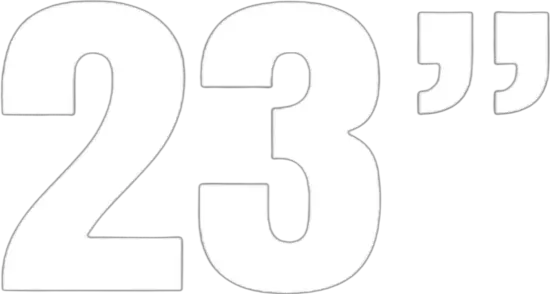
Capacity
Drum

3090

Capacity
Drum

3590

Capacity
Drum

3590XL

Capacity
Drum
Simply the most productive whole tree drum-style chipper on the market. With a massive 48″ diameter x 48″ wide chipping drum and engine options up to 1,200 horsepower, the 3590XL with a steady diet of wood can fill a full length chip van in under 10 minutes. The powerful feed system on the 3590XL easily pulls multiple trees into the machine at one time making this the ultimate chipper for high production chipping applications. Available as tow-behind only.

TRELAN 686
Capacity

Disc

TRELAN 786

Capacity
Disc
Whole Tree Chipper Applications
Whole tree chippers are used in operations where the volume of material being processed makes hand-feeding impractical. The main applications include:
Land Clearing
When preparing land for development, agriculture, or right-of-way maintenance, whole tree chippers process standing timber and clearing debris into transportable chips. Track-mounted models like the 2290 can move around the site under their own power, reducing the need to drag material to a stationary chipper.
Logging and Biomass
Commercial logging operations use whole tree chippers to process trees at the landing, filling chip vans for delivery to biomass power plants, pulp mills, or mulch manufacturers. Models like the 2590 and 3090 are designed for this work, with feed systems that compress and pull material to fully load chip vans.
Storm Cleanup
After major storm events, whole tree chippers process downed timber efficiently. The high capacity of these machines makes them suited for the large volumes of material that storms generate.
Right-of-Way Clearing
Pipeline and utility corridor maintenance involves clearing trees and brush along extended routes. Track-mounted tree chippers that can move with the clearing operation are well suited for this work.
For comparison with hand-fed chippers, which serve a different set of applications, see our guide to whole tree chipper vs hand-fed chipper.
Drum vs disc tree chippers
Bandit’s whole tree chipper lineup includes both drum-style and disc-style machines, each with distinct characteristics.
Drum-style tree chippers use a rotating drum with knives mounted on its face. The drum design handles a wide range of material sizes and species, making it versatile for land clearing and biomass applications where feedstock varies. Bandit’s drum models include the 20XP, 2090, 2290, 2590, 3090, 3590, and 3590XL, with capacities from 22 to 36 inches.
Disc-style tree chippers use a large rotating disc with knives. Disc chippers are known for producing very uniform, high-quality chips, which makes them preferred for paper and pulp applications where chip specifications are tight. Bandit’s disc models come from the Trelan acquisition: the 686 (68-inch disc, 875 HP) and 786-WRC Extreme (78-inch disc, 1,050 HP), both available with three or four knife configurations producing chip sizes of 3/4, 7/8, or 1 inch.
For help deciding between track and towable configurations, see our guide to track-mounted vs wheeled whole tree chippers.
What is a whole tree chipper and how does it work?
A whole tree chipper is a large-capacity machine that processes entire trees into uniform wood chips. Material is fed into the infeed using a loader or excavator rather than by hand. The chipper uses a rotating drum or disc with knives to reduce the material, and chips are discharged through a chute, typically into a chip van. Bandit’s lineup includes models with 22 to 36 inch capacity and engines from 275 to 1,200 horsepower.
What is the difference between a whole tree chipper and a hand-fed chipper?
A whole tree chipper is fed by a loader or excavator and designed to consistently process larger diameter whole trees (22-36 inch capacity, 275-1,200 HP). A hand-fed chipper is designed to be fed manually by crew members and can efficiently process branches, limbs, and full length trees. Larger hand-fed chippers are often fed by a mini skid or other mechanized loader (6-21 inch capacity, 25-350 HP). Whole tree chippers are built for land clearing, logging, and biomass production. Hand-fed chippers are built for tree care services, municipalities, and equipment rental stores. See our comparison guide for details.
Should I buy a track-mounted or wheeled chipper?
Track-mounted chippers provide better traction on soft terrain and can move around a job site under their own power, which is valuable for land clearing. Wheeled (towable) chippers are easier to transport between sites and cost less. Most Bandit whole tree chippers are available in both configurations. The 3590XL is towable only. See our track vs wheeled guide for a full comparison.
What size whole tree chipper do I need for land clearing?
For land clearing, a 22-inch capacity model like the Bandit 20XP or 2290 handles most material. For higher production, the 2590 (23-inch) or 3090 (25-inch) with 755-800 HP engines process more material per hour. For maximum production, the 3590 (30-inch) or 3590XL (36-inch) can fill a chip van in under 10 minutes. Match the chipper size to your daily volume targets. Contact a Bandit dealer for guidance.
How much does a whole tree chipper cost?
Whole tree chipper prices vary significantly based on capacity, engine, and configuration. Entry-level models like the 20XP start lower than high-production models like the 3590XL with 1,200-horsepower engines. Bandit sells through dealers, so pricing depends on configuration and options. Contact a Bandit dealer for a quote. Used Bandit whole tree chippers are sometimes available through the used equipment page.
Which manufacturers make the best whole tree chippers?
Bandit Industries has manufactured whole tree chippers since 1988 and was the first to develop a self-propelled model. Key factors in choosing a manufacturer include model range, dealer support, warranty coverage, and parts availability. Bandit’s 5-year, 3,000-hour GUTS warranty on feed system and drum/disc components is a differentiator. Requesting a demonstration from a Bandit dealer is the best way to evaluate the equipment for your operation.